
GApplebro
Level 5
GApplebro’s Shop Application
Player Information
What is your Minecraft username?:
GApplebro
tewmorrow (I’m applying on my alt!)
Do you have Discord (If so, what is your discord username?):
t9kii_
What is your time zone?:
PST
Describe your activity on the server:
My activity on the server primarily was focused on tailoring and JockRP up until this point. I’m the owner of Shiawase Corp as well as an experienced tailor myself. I love to make cultural outfits and primarily focus my color palette on unique and creative conceptual designs. Furthermore, I’m also an active tailor and staff member in many other servers such as Stitch Paradise, Misfits Corp, Euphoria, and Thrift Shop!
As for JockRP, I’ve done extensive roleplay through the high school baseball, high school female football, and college female football teams! Much of my roleplay encourages others to not only do well in games and practices, but also to roleplay the real quality that actually builds a team. I loved roleplaying with my teammates not only during school in the locker rooms and fields. But also outside of school as well, whether that would be in the team house or simply spending time with one another.
I believe that strong teams should feel like actual teams, not just collections of characters wearing the same uniform. I feel that competition does indeed give players something to fight for, but quality roleplay gives them a reason to stay and care about the others standing right beside them. My approach to JockRP has always been to encourage a more heavily roleplay-oriented approach that builds relationships with not only the characters my roleplay interacts with, but the people behind the roleplay as well!
As for my schedule, I am fairly free on most weekdays and weekends, and I can make adjustments when necessary!
Time table
Monday | Tuesday | Wednesday | Thursday | Friday | Saturday | Sunday |
3:30 PM - 9:00 PM (PST) | 3:30 PM - 6:00 PM (PST) | 3:30 PM - 9:00 PM (PST) | 3:30 PM - 6:00 PM (PST) | 3:30 PM - 9:00 PM (PST) | 9:00 AM - 9:00 PM (PST) | 9:00 AM - 9:00 PM (PST) |
Do you acknowledge that if you are inactive you will be demoted?:
Acknowledged!
Link(s) to any previous faction applications on the server (Do not include authorization applications):
GApplebro Club Application | Ongoing
GApplebro Club Application | Denied
What are your current role(s) on the server? (If you're in college, specify your degree level):
[Grade-12] Cleo Tide
[Grade-10] Kimora Im
[College][B] Mina Lin
Shop Information

You may add your own questions to the format
What shop/category are you applying for?:
Gift & Accessory!
I'm applying for the Yona-Yona shop!
Why do you want to become a Shopkeeper?:
My perspective on shops varies from the typical consumerist mindset; rather, I care deeply for the quality of roleplay that is being produced through shops on SRP. And this is precisely a criticism I have always had when it comes to shop roleplay. There is no longer a greater emphasis on the authentic shopping experience.
For me, the most essential part of SchoolRP is about developing your characters to a thorough degree and being able to produce meaningful and fun roleplay opportunities with people you interact with! Much of my roleplay is blended with my own personal Chinese heritage and values on SRP. My unique Westernized Chinese upbringing means that I have a firm grasp on actual Asian societal dynamics, which includes, but is not limited to, shops. In a lot of my JockRP, I heavily emphasize and focus on building IC relationships with my teammates and friends on the team through my heritage. I believe this approach creates an unmatched sense of familiarity and friendliness among people in SRP and allows my characters a higher degree of flexibility for them to really be who they are.
With that in mind, I want to use the same formula to create a more uniquely roleplay-oriented and creative shop experience for people in SRP! Therefore, building connections and relationships with other people through shop roleplay is one of the most important aspects I wish to prioritize through my design. I want to utilize my cultural identity to promote increased diversity in shop roleplay. However, this goes beyond just stereotypical or surface-level portrayals of Asian business. I’m aiming to incorporate authentic Chinese cultural elements such as the appropriate shop atmosphere, social customs, and traditional products that you would find in Asian shops!
Ultimately, I want to use my heritage background to introduce a more nuanced representation of Chinese culture on SRP. As well as to show how genuine cultural authenticity and quality roleplay can strengthen the immersion and depth of the shop experience!
What is the preface behind this shop design?
There is almost a stark lack of asian personality in SRP these days; it feels like everyone roleplays as a foreign character, and it's hard to remember that we're situated in Japan, a predominantly traditional country when it comes to acculturation and diversity. I believe there is an opportunity to bring more authentic Asian identity into the shop roleplay scene. Hence, I’ve decided to take on a more traditional Asian-theme-focused shop design!
Gift-giving, or songli, in China is one of the most important social forms of gratitude, respect, friendship, or goodwill in Chinese shop culture. The act of giving can matter just as much as the item being given! Chinese culture dictates many unique symbolic meanings and definitions during gift-giving because symbols are often reflective of what the item represents, not merely how they look. For example, the color red in China is strongly associated with good luck, happiness, and vitality. Its use is especially prominent in cultural festivals and celebrations in the country.
Additionally, a thoughtful, appropriate, or well-presented gift can communicate respect and consideration. Packaging, therefore, is also culturally significant in China. Every gift should feel special, and not just a carbon copy of one another. This is another reason why many gifts are also family-oriented and intergenerational; both contemporary and traditional Chinese shops often blend traditional motifs such as paper-cutting, Chinese knots, jade, calligraphy, and porcelain into their designs!
Overall, the manner of gift-giving is an extremely important cultural aspect of Chinese shops, and I want to encourage that through an authentic, roleplay-oriented shop experience on SRP with a shop specializing in gifts and accessories!
What do you plan to do with your shop, and what makes it unique?:
Shop names in China frequently use characters associated with the feelings mentioned above. That is why many shops in China will include characters like bǎo (treasure), ruì (auspiciousness), and yuè (happiness).
The name of the shop, Jinbao, comes from two characters in the Chinese language. In Chinese culture, Jin (gold) has traditionally represented wealth, prosperity, success, and fortune. Chinese people especially value gold, not for its material value, but for the spiritual connection that it provides for families in Chinese culture. The second character of the name, bǎo (or treasure), is often associated with someone or something special in its own right. This character appears in many words like bǎobèi or bǎowù (meaning darling and treasured object, respectively). Together, Jinbao means ‘golden treasures.’ For our gift and accessories shop, it creates a particularly fitting association that the products are represented as small treasures that not only carry material value, but also beauty and good fortune.
Secondly, business interactions are an important aspect in Chinese shop culture. Social reciprocity in China carries a mutual expectation of courtesy and goodwill from both parties. Small favors from store associates, thoughtful service, and flexibility can strengthen relationships between store employees and customers in the grand scheme of things! This includes public dignity as well; maintaining someone’s dignity is important, and publicly embarrassing a customer or employee is often viewed very poorly in Chinese culture, making communication an invaluable part of that shopping experience.
Rather than just treating every transaction like a commercial trade, employees in my shop should be ready to meet-and-greet customers, sometimes asking what occasion they’re shopping for, and recommending products accordingly. Hospitality, especially in gift-oriented business, is something that’s extremely important in Chinese shopping culture. It’s not uncommon for store employees to hand out complimentary tea or small snacks while customers browse through inventory. I intend to recreate the same effect throughout my shop design as well to accommodate a more authentic asian shop experience!
In Chinese culture, one of the most important things about the products in a shop is their intrinsic value. They’re intended to communicate a feeling; whether that would be gratitude, affection, or even remembrance. Items like red envelopes bring prosperity and good fortune in Chinese culture. With that reasoning, I want to design the products in my shops around the emotions and feelings that they portray, rather than just the aesthetic value that people perceive. Because, frankly, the emotions and feelings that products can portray are the aesthetic value in it all.
This is also where I want to distinguish cultural representation from simply using cultural aesthetics. A Chinese-inspired shop shouldn’t rely solely on red, gold, lanterns, or traditional patterns to communicate its identity. The products themselves should have the necessary cultural context and an accurate feeling behind them! I want customers to feel that they are purchasing more than an accessory; that they’re purchasing something that can tell, from anything but a short message, a story of its own proportion.
In hindsight, I want my shop to introduce a form of cultural roleplay that feels less superficial and more meaningful and impactful to people. By giving each product its own emotion and purpose, I can create a shopping experience that feels distinctly Chinese while simultaneously giving players a reason to engage with the culture behind what they’re purchasing. Because I firmly believe the real value is sought in the roleplay aspect of shops, and that includes interacting not only with the employees but also with other people around you. But with the very items themselves too!
What will you sell in your shop?:
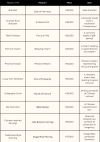
As I mentioned before, all items in Chinese shops carry significant cultural influence and deep meaning rooted in their symbols! That is why I’ve decided to design the majority of my products based on conventional Chinese symbolism. I’ve attached some examples below:
How many employees do you plan to have?:
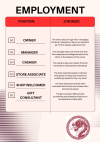
Employees play an integral part in the shopping roleplay. I’ve attached a small plan for the number of employees I wish to have, though this will likely change in the future!
What kind of employees do you seek out?
For me, I care a whole lot more about how my employees interact with customers, rather than how many piercing sets they’re able to sell (Pun intended). People who value genuine roleplay opportunity and use every chance they get to create fun, immersive, and engaging experiences for others are the exact kind of person I’m looking for to work at my shop.
This ties directly into how Chinese shop culture is in real life too! Where the interaction between a customer and a store employee can just be as meaningful as the transaction itself. As mentioned before, hospitality, personal relationships, respect, and attentiveness are all highly valued qualities in China when it comes to shopping. I want my employees to take on those principles by treating every customer as an individual, rather than just another sales target. Whether a customer buys something or not in the first place should not discourage or influence one’s desire to pursue and engage in roleplay with them either way.
In summary, I want my shop to be worked by people who value the experience others have inside of it, not the number of products that leave through the door.
Extra
You may leave this blank
Additional notes about your application:
Thank you for taking the time to read it!
Do you have any questions?:
Nope!
You may add your own questions to the format
What shop/category are you applying for?:
Gift & Accessory!
I'm applying for the Yona-Yona shop!
Why do you want to become a Shopkeeper?:
My perspective on shops varies from the typical consumerist mindset; rather, I care deeply for the quality of roleplay that is being produced through shops on SRP. And this is precisely a criticism I have always had when it comes to shop roleplay. There is no longer a greater emphasis on the authentic shopping experience.
For me, the most essential part of SchoolRP is about developing your characters to a thorough degree and being able to produce meaningful and fun roleplay opportunities with people you interact with! Much of my roleplay is blended with my own personal Chinese heritage and values on SRP. My unique Westernized Chinese upbringing means that I have a firm grasp on actual Asian societal dynamics, which includes, but is not limited to, shops. In a lot of my JockRP, I heavily emphasize and focus on building IC relationships with my teammates and friends on the team through my heritage. I believe this approach creates an unmatched sense of familiarity and friendliness among people in SRP and allows my characters a higher degree of flexibility for them to really be who they are.
With that in mind, I want to use the same formula to create a more uniquely roleplay-oriented and creative shop experience for people in SRP! Therefore, building connections and relationships with other people through shop roleplay is one of the most important aspects I wish to prioritize through my design. I want to utilize my cultural identity to promote increased diversity in shop roleplay. However, this goes beyond just stereotypical or surface-level portrayals of Asian business. I’m aiming to incorporate authentic Chinese cultural elements such as the appropriate shop atmosphere, social customs, and traditional products that you would find in Asian shops!
Ultimately, I want to use my heritage background to introduce a more nuanced representation of Chinese culture on SRP. As well as to show how genuine cultural authenticity and quality roleplay can strengthen the immersion and depth of the shop experience!
What is the preface behind this shop design?
There is almost a stark lack of asian personality in SRP these days; it feels like everyone roleplays as a foreign character, and it's hard to remember that we're situated in Japan, a predominantly traditional country when it comes to acculturation and diversity. I believe there is an opportunity to bring more authentic Asian identity into the shop roleplay scene. Hence, I’ve decided to take on a more traditional Asian-theme-focused shop design!
Gift-giving, or songli, in China is one of the most important social forms of gratitude, respect, friendship, or goodwill in Chinese shop culture. The act of giving can matter just as much as the item being given! Chinese culture dictates many unique symbolic meanings and definitions during gift-giving because symbols are often reflective of what the item represents, not merely how they look. For example, the color red in China is strongly associated with good luck, happiness, and vitality. Its use is especially prominent in cultural festivals and celebrations in the country.
Additionally, a thoughtful, appropriate, or well-presented gift can communicate respect and consideration. Packaging, therefore, is also culturally significant in China. Every gift should feel special, and not just a carbon copy of one another. This is another reason why many gifts are also family-oriented and intergenerational; both contemporary and traditional Chinese shops often blend traditional motifs such as paper-cutting, Chinese knots, jade, calligraphy, and porcelain into their designs!
Overall, the manner of gift-giving is an extremely important cultural aspect of Chinese shops, and I want to encourage that through an authentic, roleplay-oriented shop experience on SRP with a shop specializing in gifts and accessories!
What do you plan to do with your shop, and what makes it unique?:
Shop names in China frequently use characters associated with the feelings mentioned above. That is why many shops in China will include characters like bǎo (treasure), ruì (auspiciousness), and yuè (happiness).
The name of the shop, Jinbao, comes from two characters in the Chinese language. In Chinese culture, Jin (gold) has traditionally represented wealth, prosperity, success, and fortune. Chinese people especially value gold, not for its material value, but for the spiritual connection that it provides for families in Chinese culture. The second character of the name, bǎo (or treasure), is often associated with someone or something special in its own right. This character appears in many words like bǎobèi or bǎowù (meaning darling and treasured object, respectively). Together, Jinbao means ‘golden treasures.’ For our gift and accessories shop, it creates a particularly fitting association that the products are represented as small treasures that not only carry material value, but also beauty and good fortune.
Secondly, business interactions are an important aspect in Chinese shop culture. Social reciprocity in China carries a mutual expectation of courtesy and goodwill from both parties. Small favors from store associates, thoughtful service, and flexibility can strengthen relationships between store employees and customers in the grand scheme of things! This includes public dignity as well; maintaining someone’s dignity is important, and publicly embarrassing a customer or employee is often viewed very poorly in Chinese culture, making communication an invaluable part of that shopping experience.
Rather than just treating every transaction like a commercial trade, employees in my shop should be ready to meet-and-greet customers, sometimes asking what occasion they’re shopping for, and recommending products accordingly. Hospitality, especially in gift-oriented business, is something that’s extremely important in Chinese shopping culture. It’s not uncommon for store employees to hand out complimentary tea or small snacks while customers browse through inventory. I intend to recreate the same effect throughout my shop design as well to accommodate a more authentic asian shop experience!
In Chinese culture, one of the most important things about the products in a shop is their intrinsic value. They’re intended to communicate a feeling; whether that would be gratitude, affection, or even remembrance. Items like red envelopes bring prosperity and good fortune in Chinese culture. With that reasoning, I want to design the products in my shops around the emotions and feelings that they portray, rather than just the aesthetic value that people perceive. Because, frankly, the emotions and feelings that products can portray are the aesthetic value in it all.
This is also where I want to distinguish cultural representation from simply using cultural aesthetics. A Chinese-inspired shop shouldn’t rely solely on red, gold, lanterns, or traditional patterns to communicate its identity. The products themselves should have the necessary cultural context and an accurate feeling behind them! I want customers to feel that they are purchasing more than an accessory; that they’re purchasing something that can tell, from anything but a short message, a story of its own proportion.
In hindsight, I want my shop to introduce a form of cultural roleplay that feels less superficial and more meaningful and impactful to people. By giving each product its own emotion and purpose, I can create a shopping experience that feels distinctly Chinese while simultaneously giving players a reason to engage with the culture behind what they’re purchasing. Because I firmly believe the real value is sought in the roleplay aspect of shops, and that includes interacting not only with the employees but also with other people around you. But with the very items themselves too!
What will you sell in your shop?:
As I mentioned before, all items in Chinese shops carry significant cultural influence and deep meaning rooted in their symbols! That is why I’ve decided to design the majority of my products based on conventional Chinese symbolism. I’ve attached some examples below:
How many employees do you plan to have?:
Employees play an integral part in the shopping roleplay. I’ve attached a small plan for the number of employees I wish to have, though this will likely change in the future!
What kind of employees do you seek out?
For me, I care a whole lot more about how my employees interact with customers, rather than how many piercing sets they’re able to sell (Pun intended). People who value genuine roleplay opportunity and use every chance they get to create fun, immersive, and engaging experiences for others are the exact kind of person I’m looking for to work at my shop.
This ties directly into how Chinese shop culture is in real life too! Where the interaction between a customer and a store employee can just be as meaningful as the transaction itself. As mentioned before, hospitality, personal relationships, respect, and attentiveness are all highly valued qualities in China when it comes to shopping. I want my employees to take on those principles by treating every customer as an individual, rather than just another sales target. Whether a customer buys something or not in the first place should not discourage or influence one’s desire to pursue and engage in roleplay with them either way.
In summary, I want my shop to be worked by people who value the experience others have inside of it, not the number of products that leave through the door.
Extra
You may leave this blank
Additional notes about your application:
Thank you for taking the time to read it!
Do you have any questions?:
Nope!
Last edited: