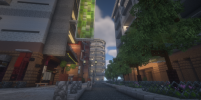
Karakura is renowned for its old history and connection to the supernatural and the past. With such an old city built on an island with an ancient culture dating back to dynasty japan Karakura holds some ancient gems amongst the modern lively city, which spreads its fingers across the landscape. In this report, it will speak on some of Karakura’s well-known and not-so-well-known landmarks and historical structures! Each poses its own story, myth or legend dating back to the first peoples who lived amongst Karakura.
Maybe after reading this report will spark some interest to research these places or ask those who know the answers!
Shinsei Seinaru Monastery:
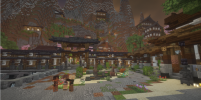
A well-known and popular place is the Shinsei Seinaru Monastery, also known in common folk as The Shrine. Perched on a small alcove in the Kohaku mountain range, the Shinsei overlooks the whole city. Boasting a beautiful view, quiet scenery, peaceful (mostly) guests, kind and knowledgeable staff and a load of stairs! If you ever consider needing a workout, going up the one hundred odd stairs to grab a nice cup of tea and speak to the lovely shrine staff is worth the while. The Shinsei Seinaru Monastery has a long history in its standing dating back to the earliest records of monks who resided in the valley Karakura thrives in. Surviving three fires and having a long-standing history, the shrine has become a pinnacle landmark amongst the city's people as a nice place to relax and explore. Much of the monastery is even open to the public to explore and open to guests asking questions and being curious about what it has to offer. Some simple things like a small gift shop, freshly brewed matcha tea and even tarot readings. The Monastery has a long history waiting to be uncovered.

Weeping Maiden Statue:
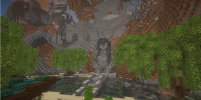
One of the strange wonders of Karakura, when it's sunny, the statue remains silent as the woman peacefully sits there with her hands on her lap with her eyes closed; however, in the rain, water flows from her eyes, pooling into the pond below, creating ripples in its wake like waterfalls breaking the water's surface. The weeping maidens' origins are unknown, and their time of existence is also unknown. Some believe she resembles Chiharu or is the kami herself. But from family stories and my understanding, the maiden weeps for the loss of her lover and child who drifted to the stars in their passing. If you want to read the story for yourself, a link following the story will be provided below! Maybe you can relate to the beautiful statue, or maybe you find calm under its solitary presence.
Saiky and Akihito Estates:
Both families stood the test of time, with both spreading their roots back down to the first people who walked across Karakura and the many Itsbyoshi families that shrived. Both estates stand as a monumental test of time, representing the long history and knowledge carried between them. While the Saiky Estate is closed to visitors, the Akihito Estate has opened its doors to the public for many to explore. Maybe if you encounter one, you could ask them about the topics.
Kaigan Bloodmoon Gate:
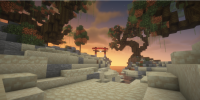
The lonely guardian gate on the edge of Karakura stands over the sea. Some whisper it's home to a friendly spirit who guards it from those locked behind its red frame. A scenic space for many people to stand under and admire the ocean beyond. However, the gate seems to hold more history than most would realise. Built during an era of kami and spirits, the gate acts as a passage for both mortal and immortal. Not much is known about it as its history has long faded with traditional stories and old tales, but maybe some of Karakura’s residents still know the tales told.
Kodama Tree:
A home, refuge and space of peace. The Kodama tree resides alone on a small island in the middle of a large pond. People frequent the tree to sit under its old roots and admire the dancing leaves and the serenity of silence. The tale goes way back into Karakura’s history, where a young maiden wandered down from the Shrine, her beauty said to rival the most perfect flowers. Animals visited her and people admired her, a common space of peace she found was amongst the branches of the young tree sitting at its roots and speaking to the animals. In her passing, it's said she became a Kodama, blessed by the kami to guard the forest and the very tree she frequented holds her soul. If you listen closely, it's said sometimes in the ripples of water and whispers of the wind, she speaks to those who rest amongst its roots.
Takagi Hut:
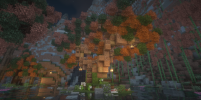
The oldest structure is arguably in Karakura. The Takagi Hut belongs to a strange figure, residing alone on the mountainside with a rich history covering the Itsbyoshi family. It's rumoured that if you make too much noise, an old spirit shall awaken. But reports since have spoken nothing of her appearance, maybe she's finally gone to rest in the Immortal realm after millennia haunting the building she died in.
Kohaku Mountain Ruins:
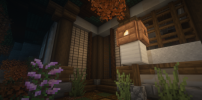
A labyrinth of ruins with no clear name or understanding. The ruins have existed forever and are home to strange structures and shapes, maybe statues. Due to its secluded space, it's the perfect space to house spirits of evil shapes and sizes, with two documented to reside there, though their appearances were never mentioned. With its vast fingers, it connects up to the hiking trail and the Takagi hut, which resides on the mountain, but no one knows the story behind their existence. Maybe one day their tale will come out to the public eye.
Saiky Estate remains:
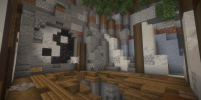
Flames ravaged the estate, taking everything with it. Everything but a small hut, which remains, stood alone as a podium on the cliff. It's said the trail leading through is haunted, whispers and cries of past Saiky’s haunt the trail for the fire which engulfed their home, and the demolition of their beloved estate was replaced by a residential block. The large yin and yang symbol is the last reminder of what stood there, remaining on show for all to see as the remains continue to crumble and the cries continue to call. Maybe this is all a tale, but the ruins remain as a monument to what once stood there before they moved.
Maybe after reading this report will spark some interest to research these places or ask those who know the answers!
Shinsei Seinaru Monastery:
A well-known and popular place is the Shinsei Seinaru Monastery, also known in common folk as The Shrine. Perched on a small alcove in the Kohaku mountain range, the Shinsei overlooks the whole city. Boasting a beautiful view, quiet scenery, peaceful (mostly) guests, kind and knowledgeable staff and a load of stairs! If you ever consider needing a workout, going up the one hundred odd stairs to grab a nice cup of tea and speak to the lovely shrine staff is worth the while. The Shinsei Seinaru Monastery has a long history in its standing dating back to the earliest records of monks who resided in the valley Karakura thrives in. Surviving three fires and having a long-standing history, the shrine has become a pinnacle landmark amongst the city's people as a nice place to relax and explore. Much of the monastery is even open to the public to explore and open to guests asking questions and being curious about what it has to offer. Some simple things like a small gift shop, freshly brewed matcha tea and even tarot readings. The Monastery has a long history waiting to be uncovered.
Weeping Maiden Statue:
One of the strange wonders of Karakura, when it's sunny, the statue remains silent as the woman peacefully sits there with her hands on her lap with her eyes closed; however, in the rain, water flows from her eyes, pooling into the pond below, creating ripples in its wake like waterfalls breaking the water's surface. The weeping maidens' origins are unknown, and their time of existence is also unknown. Some believe she resembles Chiharu or is the kami herself. But from family stories and my understanding, the maiden weeps for the loss of her lover and child who drifted to the stars in their passing. If you want to read the story for yourself, a link following the story will be provided below! Maybe you can relate to the beautiful statue, or maybe you find calm under its solitary presence.
Saiky and Akihito Estates:
Both families stood the test of time, with both spreading their roots back down to the first people who walked across Karakura and the many Itsbyoshi families that shrived. Both estates stand as a monumental test of time, representing the long history and knowledge carried between them. While the Saiky Estate is closed to visitors, the Akihito Estate has opened its doors to the public for many to explore. Maybe if you encounter one, you could ask them about the topics.
Kaigan Bloodmoon Gate:
The lonely guardian gate on the edge of Karakura stands over the sea. Some whisper it's home to a friendly spirit who guards it from those locked behind its red frame. A scenic space for many people to stand under and admire the ocean beyond. However, the gate seems to hold more history than most would realise. Built during an era of kami and spirits, the gate acts as a passage for both mortal and immortal. Not much is known about it as its history has long faded with traditional stories and old tales, but maybe some of Karakura’s residents still know the tales told.
Kodama Tree:
A home, refuge and space of peace. The Kodama tree resides alone on a small island in the middle of a large pond. People frequent the tree to sit under its old roots and admire the dancing leaves and the serenity of silence. The tale goes way back into Karakura’s history, where a young maiden wandered down from the Shrine, her beauty said to rival the most perfect flowers. Animals visited her and people admired her, a common space of peace she found was amongst the branches of the young tree sitting at its roots and speaking to the animals. In her passing, it's said she became a Kodama, blessed by the kami to guard the forest and the very tree she frequented holds her soul. If you listen closely, it's said sometimes in the ripples of water and whispers of the wind, she speaks to those who rest amongst its roots.
Takagi Hut:
The oldest structure is arguably in Karakura. The Takagi Hut belongs to a strange figure, residing alone on the mountainside with a rich history covering the Itsbyoshi family. It's rumoured that if you make too much noise, an old spirit shall awaken. But reports since have spoken nothing of her appearance, maybe she's finally gone to rest in the Immortal realm after millennia haunting the building she died in.
Kohaku Mountain Ruins:
A labyrinth of ruins with no clear name or understanding. The ruins have existed forever and are home to strange structures and shapes, maybe statues. Due to its secluded space, it's the perfect space to house spirits of evil shapes and sizes, with two documented to reside there, though their appearances were never mentioned. With its vast fingers, it connects up to the hiking trail and the Takagi hut, which resides on the mountain, but no one knows the story behind their existence. Maybe one day their tale will come out to the public eye.
Saiky Estate remains:
Flames ravaged the estate, taking everything with it. Everything but a small hut, which remains, stood alone as a podium on the cliff. It's said the trail leading through is haunted, whispers and cries of past Saiky’s haunt the trail for the fire which engulfed their home, and the demolition of their beloved estate was replaced by a residential block. The large yin and yang symbol is the last reminder of what stood there, remaining on show for all to see as the remains continue to crumble and the cries continue to call. Maybe this is all a tale, but the ruins remain as a monument to what once stood there before they moved.
Curious about these places? I'm sure you could ask around or go to specific figures across Karakura who know a lot. The shrine staff are always happy to ask, or you can call the news hotline and see if I’m in, and maybe just maybe I might have the answers to the questions you seek! Or maybe I am just messing with you. I would not encourage you to explore every one of these Historical landmarks, but each has its own unique story and historical connection in shaping Karakura. Let us know what you think!

Last edited:


